Product Description
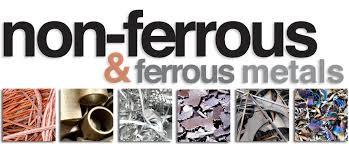
Being a quality conscious entity, we are manufacturing, exporting and supplying the best quality array of Ferrous & Non Ferrous Metals. The offered metals are manufactured using high quality raw materials and modern machines at our sound production unit under the strict observations of our engineers. These metals are used in various mechanical and construction industries for making machine parts and equipments. Apart from this, clients can avail these Ferrous & Non Ferrous Metals at cost effective prices from us.
Features:
- High thermal conductivity
- Corrosion resistance
- Fine finish
- High melting point
Versatility and ApplicationsFerrous and Non Ferrous Metals are tailored for a broad spectrum of uses. Their customizable dimensions and grades make them suitable for construction frameworks, precision-engineered components, automotive parts, manufacturing machinery, and electrical conductors. Their strength, machinability, and corrosion resistance enable reliability from heavy industry to decorative purposes.
Quality Assurance & PackagingEvery product is supplied with Mill Test Certificates and chemical/physical test reports, ensuring traceability and compliance with standards like ASTM, JIS, DIN, and IS. Packaging options include wooden boxes, bundles, pallets, or customized solutions, safeguarding products during transit and storage.
Performance PropertiesFerrous metals offer high magnetic properties, superior tensile strength, and heat resistance, while non ferrous metals such as copper and aluminium demonstrate outstanding electrical/thermal conductivity and corrosion resistance. Both are recyclable, and available in a range of surface coatings and finishes to suit varied operational conditions.
FAQs of Ferrous & Non Ferrous Metals:
Q: How do ferrous and non ferrous metals differ in terms of electrical and thermal conductivity?
A: Ferrous metals typically have low electrical conductivity, making them less suitable for electric applications. In contrast, non ferrous metals like copper and aluminium exhibit high electrical and thermal conductivity, ideal for wiring, bus bars, and heat exchangers.
Q: What processes are used to machine and weld these metals?
A: Both ferrous and non ferrous metals generally offer good machinability, with the effectiveness depending on the specific alloy or grade. Most grades are weldable; however, some non ferrous metals may need specialized welding techniques due to their unique properties.
Q: When is certification provided for these metal products?
A: With every order, Mill Test Certificates and comprehensive test reports are supplied to verify the chemical and physical characteristics, ensuring adherence to industry standards and client specifications.
Q: Where are ferrous and non ferrous metals commonly applied?
A: These metals are widely used in construction, engineering, automotive manufacturing, electrical component production, marine structures, and decorative applications due to their varied mechanical and physical properties.
Q: What forms, sizes, and grades are available?
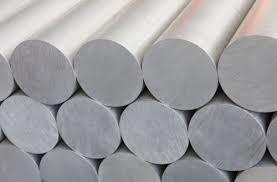
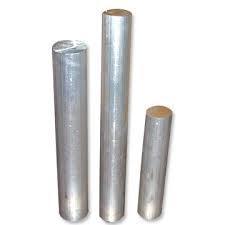
A: Products are available as sheets, rods, pipes, coils, bars, angles, and channels. Sizes range from standard dimensions to fully customizable options. Grades include IS 2062, SS 304, SS 316, EN8, copper grade, brass grade, and aluminium grade, among others.
Q: How do surface finish and coating options enhance metal performance?
A: Surface finishes such as polished, matte, or galvanized improve aesthetic appeal and resist corrosion. Coating options include nickel plating, chrome plating, and powder coating, providing added durability in challenging environments.
Q: What are the environmental benefits of using these metals?
A: Both ferrous and non ferrous metals are recyclable, supporting sustainable industrial practices and minimizing environmental impact through material reuse.







 Send Email

 Send Inquiry


